Aluminum Foundry: Innovations in Alloy Selection for Superior Performance
Wiki Article
Light Weight Aluminum Castings Explained: Trick Conveniences and Services for Your Manufacturing Requirements
Light weight aluminum spreadings play a considerable role in contemporary production. Their lightweight and resilient nature makes them suitable for various applications. Industries such as aerospace and automotive take advantage of their adaptability. Recognizing the benefits and the production process of aluminum castings is vital. Additionally, selecting the ideal company can influence quality and performance. What factors should be considered when selecting a light weight aluminum casting solution? Exploring these facets exposes vital understandings.Benefits of Light Weight Aluminum Castings
Light weight aluminum spreadings offer various advantages that make them a preferred option in different sectors. One of the primary advantages is their lightweight nature, which considerably reduces shipping and managing costs. In addition, light weight aluminum shows excellent corrosion resistance, making certain long life and lowered upkeep for items made from this product. The convenience of aluminum enables intricate layouts and complicated shapes, giving makers with better versatility in production.In addition, aluminum castings possess great thermal and electrical conductivity, making them appropriate for a variety of applications calling for heat dissipation or electric components. The material likewise has a high strength-to-weight proportion, making it possible for the production of sturdy yet light-weight elements. Aluminum can be recycled without shedding its buildings, advertising sustainability in manufacturing procedures. On the whole, these benefits make aluminum spreadings a reliable and reliable option for manufacturers seeking high quality and performance in their items.
Applications of Aluminum Castings in Different Industries
The advantages of aluminum spreadings make them highly demanded across different industries, including vehicle, aerospace, and durable goods. In the auto sector, they are utilized for engine blocks, transmission instances, and wheels as a result of their light-weight nature, which enhances gas effectiveness. Aerospace applications gain from light weight aluminum castings in structural elements and housings, offering toughness while decreasing weight, essential for trip efficiency.
In consumer products, aluminum spreadings are utilized in items such as cooking equipment and electronic rooms, supplying toughness and visual charm (Wisconsin Aluminum Foundry). Additionally, the electric sector utilizes aluminum spreadings for warmth sinks and housings, guaranteeing efficient thermal administration. The convenience of light weight aluminum permits detailed layouts and intricate geometries, additionally broadening its applications. On the whole, the varied utility of aluminum castings emphasizes their importance in contemporary manufacturing, adding to development and effectiveness across these crucial sectors
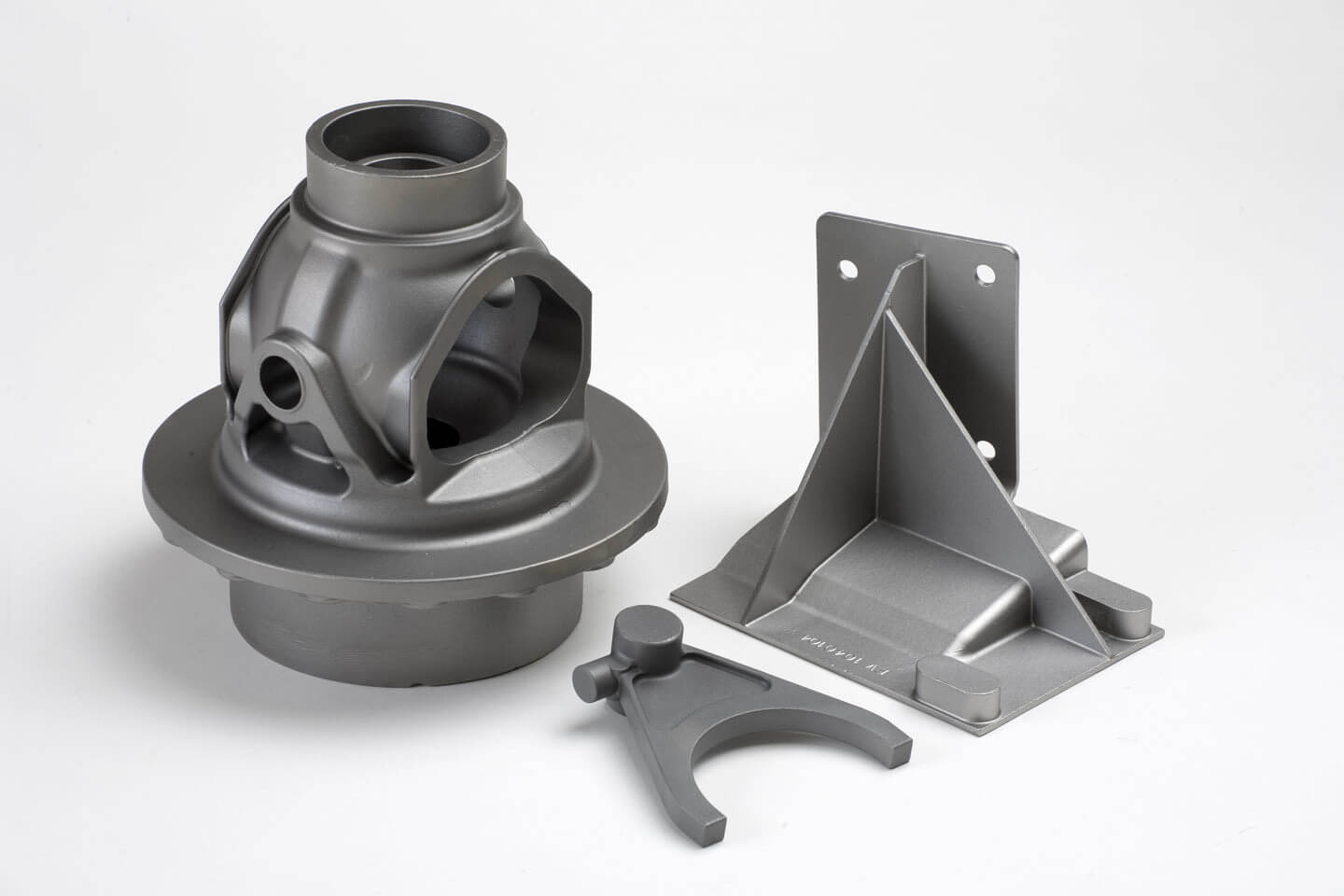
The Manufacturing Refine of Light Weight Aluminum Castings
Casting aluminum entails a number of important steps that transform raw steel into precise parts. The procedure starts with the melting of light weight aluminum scrap or ingots in a furnace, reaching temperatures around 1,200 ° F. When molten, the aluminum is poured into a mold, which can be made from sand, steel, or ceramic, depending on the preferred requirements.After putting, the steel strengthens and cools down, creating the form of the mold (Wisconsin Aluminum Foundry). The following step involves eliminating the spreading from the mold and mildew, which may call for added strategies to ensure a smooth surface area finish
Ultimately, any type of excess product or flaws can be machined or ground off to attain the final dimensions. Quality assessments are then carried out to confirm that the casting meets called for criteria. This meticulous procedure enables makers to create elements that are light-weight, resilient, and appropriate for a wide variety of applications.
Selecting the Right Light Weight Aluminum Casting Service
When picking an aluminum casting service, it is necessary to contemplate a number of factors that can considerably influence the quality and performance of the last product. The solution supplier's experience and experience in aluminum casting play a critical duty in ensuring top quality outcomes. Firms need to copyrightine the service provider's portfolio and previous tasks to evaluate their capabilities.Additionally, assessing the technology and tools made use of by the spreading solution is essential, as modern equipment can boost accuracy and minimize preparations. One more key aspect is the capacity to use personalized solutions tailored to particular job requirements, which can significantly improve item efficiency.
In addition, interaction and customer support ought to not be forgotten; Aluminum Foundry a collective companion can facilitate smoother job implementation. Ultimately, thinking about cost-effectiveness without endangering high quality is necessary for making a notified choice. By very carefully weighing these aspects, manufacturers can choose a casting solution that finest meets their demands.
Future Fads in Light Weight Aluminum Spreading Innovation
As makers progressively prioritize top quality and effectiveness, developments in aluminum casting technology are readied to transform the industry. Arising patterns consist of the fostering of automation and robotics, which improve accuracy and decrease human mistake in casting processes. Furthermore, the assimilation of expert system and device discovering is anticipated to enhance manufacturing schedules and enhance quality assurance.Sustainability stays a central focus, with developments in recycling strategies allowing for more efficient reuse of light weight aluminum scrap, consequently lowering waste and power intake. Advanced simulation software program is likewise acquiring traction, making it possible for designers to design and anticipate casting efficiency before actual production, reducing expensive errors.
Furthermore, the growth of new alloys and progressed spreading techniques, such as 3D printing, will certainly broaden the possibilities for light-weight yet durable components. Together, these trends indicate a dynamic future for light weight aluminum spreading, driven by technical developments that prioritize item, sustainability, and efficiency high quality.
Often Asked Inquiries
Exactly How Do Aluminum Castings Contrast to Other Materials?
What Are the Weight Limitations for Aluminum Castings?
Weight restrictions for light weight aluminum castings commonly rely on the layout and application, but they typically support tons abilities ranging from a couple of ounces to a number of loads. Details constraints develop from factors like wall surface density and structural stability.Can Light Weight Aluminum Castings Be Fixed After Manufacturing?
Light weight aluminum spreadings can be fixed after manufacturing, using strategies such as welding or epoxy bonding. The usefulness of repairs relies on the extent of damage and the certain buildings of the aluminum alloy utilized.
What Finishes Are Readily Available for Light Weight Aluminum Castings?
Various finishes are available for light weight aluminum spreadings, consisting of anodizing, powder paint, polishing, and covering. These surfaces improve appearance, offer deterioration resistance, and enhance surface longevity, satisfying varied visual and practical demands in manufacturing applications.Just How Do Ecological Rules Affect Aluminum Spreading Processes?
Ecological laws substantially affect aluminum casting procedures by mandating more stringent exhausts controls, encouraging reusing techniques, and promoting lasting materials. These policies compel producers to embrace cleaner innovations and reduce their eco-friendly footprint in manufacturing activities.
Report this wiki page